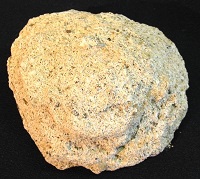
Gas bubble holes in pumice lower the density of the rock enough that pumice is often buoyant enough to float.
pyroclastic ash eruptions tuff Some lava blocks are pieces of the volcano vent or sides of the volcano when it blows apart. molten rock that flow for miles before entering the ocean. About 60 million cubic meters of dome and crater wall traveled to the south as a debris avalanche and pyroclastic density currents. UExcel Earth Science: Study Guide & Test Prep, {{courseNav.course.mDynamicIntFields.lessonCount}}, All Teacher Certification Test Prep Courses, Pyroclastic Materials: Volcanic Particles and Lapilli, Overview of Earth's Spheres & Internal Structure, What is a Volcano?
The lava cools so quickly tht no crystals can form. Glowing semi-molten blobs of lava blown out of a volcano create rock that range in size between 2 mm and 64 mm. Pyroclastic flows can extend miles from the volcano, and devastate life and property within their paths. Ash is considered to be pyroclastic because it is a fine dust made up of volcanic rock. The extent of the ash fall depends upon the height that the ash is ejected along with the speed and direction of the prevailing wind at the time. Figure 2. a volcanic eruption that blew molten rock into the air. Divergent, Convergent, & Transform Plate Boundaries, Plate Tectonics | Causes & Effects of Tectonic Plate Movement, Middle School Earth Science: Tutoring Solution, Introduction to Physical Geology: Help and Review, CSET Science Subtest II Life Sciences (217): Practice Test & Study Guide, SAT Subject Test Chemistry: Practice and Study Guide, Praxis Earth & Space Sciences - Content Knowledge (5572): Practice & Study Guide, SAT Subject Test Biology: Practice and Study Guide, NY Regents Exam - Earth Science: Test Prep & Practice, Create an account to start this course today. Pumice is ground up and used today in soaps, abrasive cleansers, and also in polishes. shapes. Volcanoes erupt more than just lava.
tuff accretionary agu depositional deformation Lava rocksOther eruptions in Hawaii produce rivers of The lava blocks have angular shapes and sharp edges. Most ash clouds are only ejected 1 km into the air and fall back onto the volcanic cone.
Take a look inside the Earth and find out what it is made from and how it is structured. A town on the flank of an active volcano that erupted suddenly, trapping the residents in a pile of ash, preserving their last moments for eternity. Earthquake Damage & Effects | How Do Earthquakes Cause Destruction?
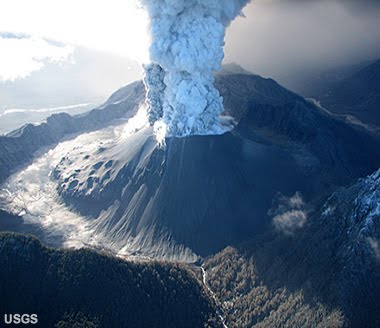
Pyroclasts are then entrained in a buoyant eruption plume which can rise several kilometers into the air and cause aviation hazards. Rhyolite and dacite magmas produce pumice. When Nature Strikes: Tsunami Classroom Activity. Where does it fit in the Solar System and, ultimately, the universe? A Nuee Ardente is a term that has been used for pyroclastic flows in the past. The center layers is weldedtuff. In contrast, the flows that result from the more explosive eruptions are called pumice flows, as they tend to generate a significant amount of pumice lapilli. Download the official NPS app before your next visit, Craters of the Moon National Monument, Idaho[, El Malpais National Monument, New Mexico[, Hawaii Volcanoes National Park, Hawaii[. What is a Shield Volcano? Gas bubbles inside the molten lava expands producing a rock that resembles a sponge. Undergrad Faculty Login, Real Climate: climate science from climate scientists, Global Learning and Observations to Benefit the Environment. Geologists The rocks sink when the gas bubble holes fill with water. Such a flow is usually *very* hot, and moves *rapidly* due to buoyancy provided by the vapors. Floating rocksRhyolite and dacite magmas produce pumice. A pahoehoe lava flow produced the lava tube in the picture above. Ash Lapillus is an Italian word Figure 1. What happens when more gases dissolve into magma? Thank you for reading. Cinders, ash, and volcanic bombs are all pyroclasts. They can be generated by the collapse of the eruptive cloud or the lava dome of the volcano, as well as by the eruption of the dome or vent without the initial ash cloud. Pyroclastic surges are extremely dangerous and cause massive damage. They move extremely fast, reaching speeds of 200 m/s (approximately 450 mph).
throughout the rock that welded together as the rock cooled. (815C). A bomb is formed as lava hurtles through the air, cooling and forming a hardened lava rock. In this section, there's a wealth of information about our collections of scientific specimens and cultural objects. Log in or sign up to add this lesson to a Custom Course. There are two other types of pyroclastic flows. Lavas vary widely in composition depending upon their original source magma.
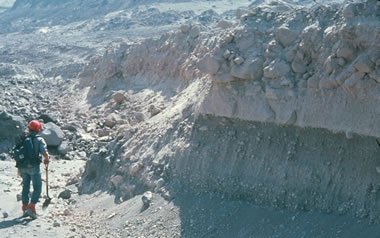
pumice helens pyroclastic st mount flow rocks deposit rock quarry washington igneous deposits flows usgs geology definition photograph topinka stratified Aa lava also forms when there is a huge amount of lava produced or a steep slope moves the lava at high speeds. after they land. School excursions at the Australian Museum, Aboriginal and Torres Strait Islander Collection, Australian Museum Research Institute (AMRI), Australian Museum Lizard Island Research Station. Is pyroclastic material likely to form from low viscosity material? During extremely violent volcanic eruptions, blocks of solid rocks as large as a car can be blown out of a volcano. Wed love your input. The 1783 Laki fissure eruption in Iceland covered the entire island in ash, completely devastating the vegetation, and sent a dust cloud over Europe and North America for several months. Pyroclastic flows generally follow valleys or other low-lying areas and, depending on the volume of rock debris carried by the flow, they can deposit layers of loose rock fragments to depths ranging from less than one meter to more than 200 m (up to about 700 ft). Write the answers to the following questions in complete sentences on a piece of paper. Pyroclastic flows form in different ways: With rock fragments ranging in size fromashto boulders that travel across the ground at speeds typically greater than 80 km per hour (50 mph),pyroclastic flowsknock down, shatter, bury or carry away nearly all objects and structures in their path. They can even flow over topographic highs and are not confined to flowing downslope. A lock () or https:// means youve safely connected to the .gov website.
volcanic landforms types pyroclastic formation lava study flow hazards lesson surge preventing tephra volcanoes plateaus Obsidian is produced when lava cools very quickly. The word pyroclastic was derived from some of these dangerous elements. It comes from the Greek words pyr, meaning fire, and klastos, meaning breaking in pieces. Pyroclastic material is another name for a cloud of ash, lava fragments carried through the air, and vapor. Image credit: gadigal yilimung (shield) madeby UncleCharlesChickaMadden. Ignimbrite is a rock produced by Vesicles may be spherical, lens-shaped, tubular, or highly irregular.

Would you prefer to share this page with others by linking to it? Geological Faults Types, Causes & Stress | What Causes Faults? mm in size.
They are also extremely hot, burning everything in their path. The Kids Fun Science Bookstore covers a wide range of earth science topics. Lava flows produce lava rocks. A .gov website belongs to an official government organization in the United States. 2011-2020 Call of Fire Science Company All rights reserved. There are two end members of pyroclastic flows: Nuees Ardente and pumice flows. Sailors in past years told stories about walking to shore on pumice from their boats. This is one way that pyroclastic flows form. The word pyroclastic comes from a Greek word that means "Rock broken by fire". These flows are unpredictable and can move at high speeds. This is an example f how volcanic gases released during eruptions can create both short-term and long-term environmental hazards. The extreme temperatures of rocks and gas inside pyroclastic flows, generally between 200C and 700C (390-1300F), can ignite fires and melt snow and ice. The pyroclastic material erupted from an explosive volcanic eruption may be ejected as fragments, resulting in scoria cones or ash fall deposits, or it may spread outwards in ash flow deposits. All rights reserved. Pyroclasts are derived from either the magma itself or are plucked as solid pieces from the walls of the conduit, usually near the surface. An official website of the United States government. Lava blocks are rock fragments greater than 64 mm in size. The reason they are low density is that they contain a higher proportion of gases and fewer solid particles. The words are French and mean glowing cloud, which described the fiery colors that are often visible in these flows. They range in size from very small particles called dust to ash (1/10 of an inch) to lapilli ("little stones" 1/10 of an inch to 2 inches ) to the largest of the pyroclasts, blocks and bombs (2 inches to many feet in diameter). Therefore, the word refers to both the extreme temperatures (the fire) and the small rock fragments (the broken pieces). Pyroclasts and pyroclastic rocks may be seen in most parks that contain volcanoes or volcanic rocks. They are composed exclusively of volcanic materials, yet are made up of fragments and grains like sedimentary rocks, and may be reworked by wind and flowing water. Pumice flows are typical of pyroclastic flows resulting from ash cloud collapse. When people make glass they melt silica rocks like sand and quartz then cool it rapidly by placing it in water. The first occurs when the hot material is not immediately thrown into the air and instead flows directly down the side of the volcano as the vent or lava dome erupts. A bomb's shape is usually more rounded or streamlined. The greatest concentration of harmful gases occurs during early water-charged magmatic eruptions. This is an image of a pyroclastic flow going down the slopes of a volcano. This is very fine material and was given the name ash because it resembles ashes from the burning of wood or coal. flashcard set{{course.flashcardSetCoun > 1 ? Lava blocksLava blocks are rock fragments greater than 64 mm in size. https://en.wikipedia.org/wiki/Pyroclastic_rock#cite_ref-1. A thick ash cloud forms in the air above the lower flow. In the 186 AD eruption of Taupo in New Zealand, an ash flow of 30 km3 of material was ejected in under ten minutes and flowed for 80 km in all directions at a speed of 300 m/s, even flowing straight over mountains in its path. When Nature Strikes: Wildfires - Why are they a challenge to stop? bombs and blocks are all examples of tephra. 23 chapters | 2022 LoveToKnow Media. No, this is not a North Dakota blizzard. Share sensitive information only on official, secure websites. Pyroclastic flows vary considerably in size and speed, but even relatively small flows that move less than 5 km (3 mi) from a volcano can destroy buildings, forests, and farmland. Basaltic Lava Overview & Characteristics | What is Basaltic Lava? Pumice is a very light colored, frothy volcanic rock. When obsidian breaks it fractures with a distinct conchoidal fracture. They range in size from very small particles called dust to ash (1/10 of an inch) to lapilli ("little stones" 1/10 of an inch to 2 inches ) to the largest of the pyroclasts, blocks and bombs (2 inches to many feet in diameter). Volcanic Ash is any very fine grained material erupted from a volcano that is less than 1/10 of an inch (2 millimeters) in diameter. The reason for this color is that these flows contain dense lava fragments that are not fully cooled. The gases in these flows are also highly toxic, which would suffocate any creatures if they weren't immediately killed by the sharp rocks or scalding temperatures. These eruptions violently expel a great deal of atmosphere into the air during their initial eruptive stage. Pyroclastic rocks or pyroclasticsare clastic rocks composed solely or primarily of volcanic materials. are angular chunks of rock that has been ejected from a volcano during an eruption. Some of the largest and most spectacular lava tubes on Earth are found at Undara in northern Queensland. Pyroclastic flows are the deadliest forces in nature.The Notice the rough and fragmented upper surface of the photo at the left. have fissure eruptions when long cracks in the ground (fissures) often open on The lava cools so quickly tht no crystals can form. Did you have an idea for improving this content?
pyroclastic surges flows remnant destroyed eruption volcanic piroclastico flujo pyroclasticflow chichon libretexts Pyroclastic flows contain rock fragments, ash, and gases. rock that range in size between 2 mm and 64 mm. Other shapes and textures include: Lapilli are small rock fragments with diameters between 2 and 64 mm. is a very light colored, frothy volcanic rock. Pahoehoe lava flows are produced from a small amount of lava that moves slowly, while aa flows usually are associated with a large volume of lava that moves swiftly. Pumice, scoria, and cinders are specific types of highly vesicular pyroclastic rocks, although the distinction between them is somewhat arbitrary. They move very quickly and are very dangerous, as unlike other flows, they are not restricted by topography. copyright 2003-2022 Study.com. They include water vapour, carbon dioxide, carbon monoxide, sulfur dioxide, hydrogen sulfide and hydrofluoric acid. All rights reserved. The photograph shows a pahoehoe flow on the left and an aa flow on the right. The lava is identical in both pahoehoe and aa lava flows, the difference comes from the amount of lava erupted and the speed of cooling. Volcanic Hazards & Prevention: Landslides, Lahars & Tsunamis. Check out Myrna Martin's award winning textbooks, e-books, videos and rock sets. The rock fragments are greater than 64 mm in size with no upward limit to their size. These flows are very dangerous, as they move very quickly, contain hot toxic gases and rock fragments, and are unpredictable, often catching people off guard.
You have reached the end of the page. Get unlimited access to over 84,000 lessons. Magmas with explosive volatile contents can vary in styles of eruption. The term was first used by a French geologist who observed the eruption of Mt. Lapillus is an Italian word temperature of the rocks can be initially as high as 1500F Pumice is formed from lava that is full of gas. Ashmay fall from this cloud over a wide area downwind from thepyroclastic flow. Blocks are angular chunks of rock that has been ejected from a volcano during an eruption. Tephra is another word for pyroclastic materials and they can be further separated based on particle size. Yes! has three layers. The rapid exsolution of gases from magma is the main driver of explosive eruptions, flinging clots of lava into the air in some eruptions, and shattering it into tiny bits (ash) in columns that may rise tens of thousands of feet into the atmosphere. Commonly associated with unsieved volcanic activitysuch as Plinian or krakatoan eruption styles, or phreatomagmatic eruptionspyroclastic deposits are commonly formed from airborne ash, lapilli and bombs or blocks ejected from the volcano itself, mixed in with shatteredcountry rock. Fragments of rock greater than 64 Damming or blocking streams in volcanic valleys, which may create lakes behind the blockage that eventually overtop and erode the blockage producing a rush of water and volcanic material downstream.
Composed chiefly of rock fragments of explosive origin, especially those associated with explosive volcanic eruptions. On the ground, lava and rock fragments flow down the slope. The third and final type of pyroclastic flow occurs when the lava dome or flow grows too steep and collapses, expelling the pyroclastic materials that flow down the slope. Look at the processes that shape the Earth. Collapse oflavadomesor flows: The fronts of lava flows or domes can become so steep that they collapse due to gravitational force. "Boiling over" from eruptivevent: during anexplosive eruption, material is erupted without forming a highplumeand rapidly moves down slope. Ash in the jet stream creates beautiful red sunsets after very large
chaiten volcano geography Heed evacuation warnings if a volcano is known to be active. are formed when the lava is produced in a manner that allows it to cool quickly. mm in size. Only the most violent volcanic eruptions feature. When a fire fountain shoots the lava high into the air it cools somewhat before it can flow after landing on the surface.
Lapilli can be further divided based on texture and composition, including pumice, reticulate, and scoria. Notice the teardrop shape of the bombs. When they cool quickly in the air, they are glassy and tear-shaped, known as Pele's tears. flashcard sets, {{courseNav.course.topics.length}} chapters |